
Tree Trimming
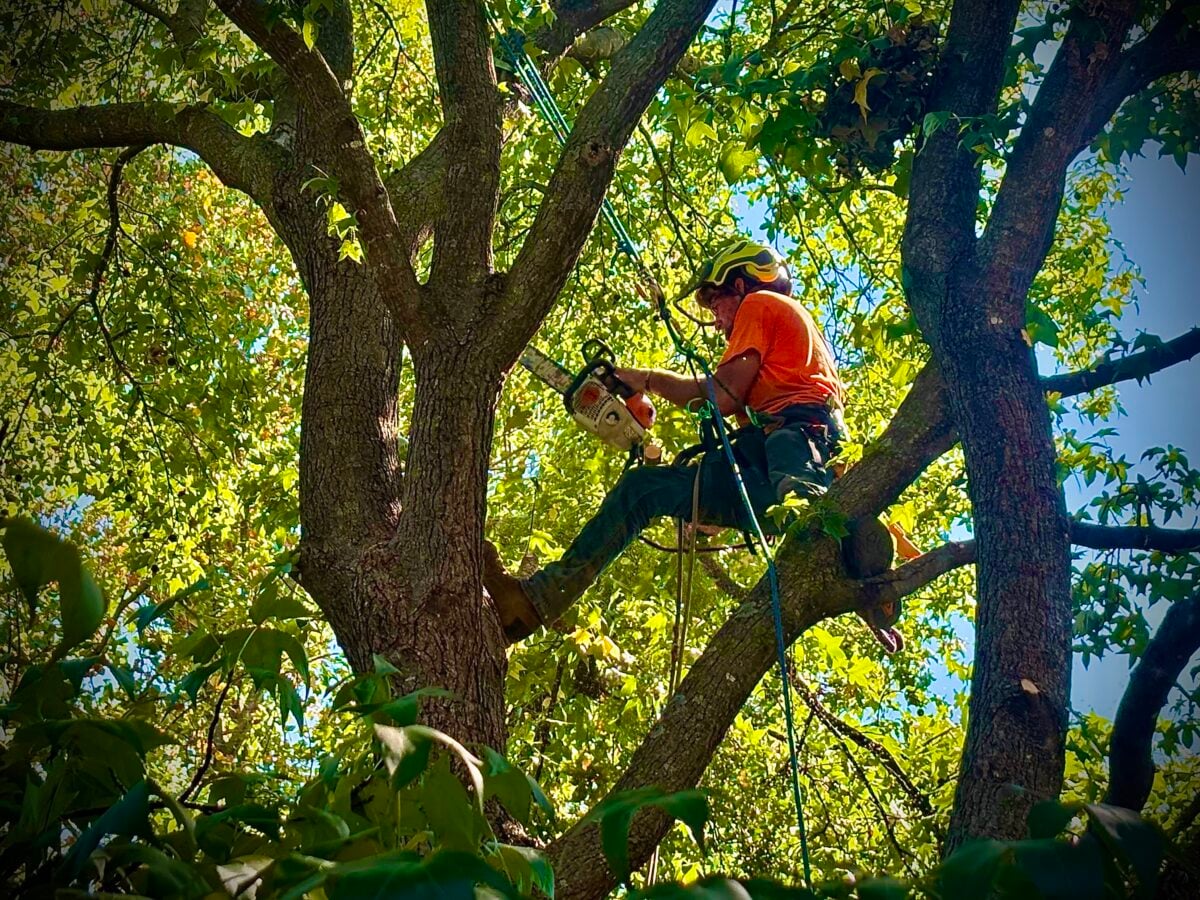
Our climbers average more than five years of tree climbing experience, with even more time in the tree service industry overall. We trim each tree to suit its natural shape and growth pattern, for a tree that stays healthy — not just a yard that looks tidy for the season.
Request a free estimate
Free* and on-site. We typically call back within 60 minutes during business hours.
Our apologies - that didn't go through. Call us instead and we'll get your estimate started:
(417) 413-4729Tell us about the tree. We’ll come look at it, free.
- Free, on-site assessments
- Trimming decisions guided by ISA Certified Arborist
- Branches, wood, and debris raked on same visit
- Certificates of insurance provided with every estimate
“Trufast Tree Services did a great job for our tree trimming In Springfield. Good communication, and they showed up and completed the work on time. Their crew was knowledgeable and helpful.”
Cutting for the tree's health, and for a more beautiful yard.
Trimming focuses on multiple goals
Trimming can damage property
Some jobs require a climber
Tidied up on the same visit.
The cheaper estimate won’t always save you money.
A lower estimate is often missing more than insurance. To be sure, insurance is part of it, as an uninsured crew is a risk to the asset, which is your home. But it isn't the whole story. The conscientiousness of a company is built into its culture, whether we're talking about proper training, solid equipment, or a crew that plans a job instead of just winging it, or someone who actually answers the phone and gives you the confidence that it will get sorted out that you don't feel went right. Excellence isn't something that happens without intentionality.
It is our desire that we can create an experience for you that is both enjoyable and trustworthy from start to finish. We think that there are things that are more valuable than the money you spend on our services.
Three things happen on a trimming job.
- Pruning & Shaping Different tree species require different shaping and different pruning. Ideally, we start with the tree when it is relatively young, before the bad growth patterns become hardened in, but let's be honest, that isn't normally how it goes. Proper trimming brings out the best in a tree, both from a healthy growth and strength perspective and also the natural beauty.
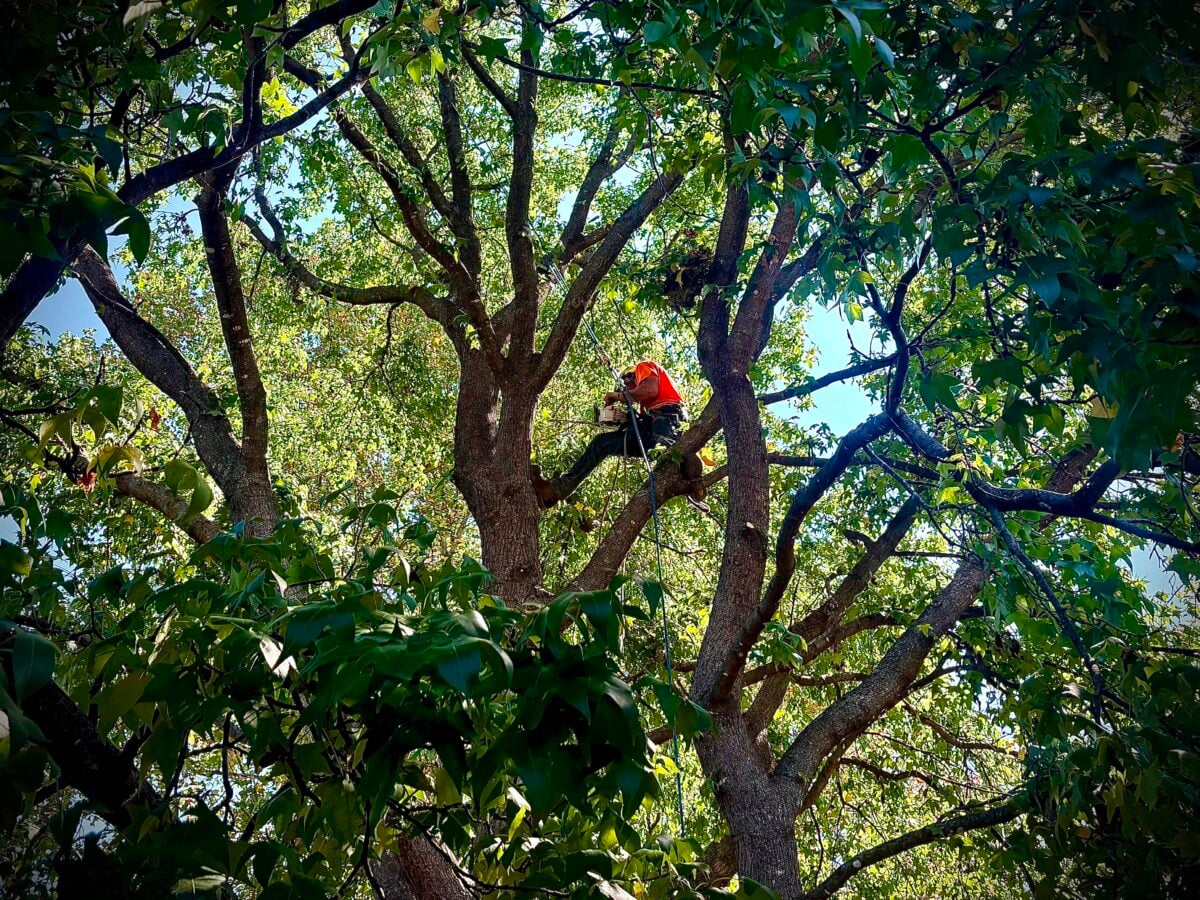
- SRT / DRT -- No Spikes Allowed Our climbers ascend using rope-based climbing methods - single-rope technique (SRT) and double-rope technique (DRT) - never spikes. Spiking a tree exposes the tree to potential disease injection and scars the trunk in a very noticeable way. Our climbers are trained in rope ascension techniques that allow them to avoid the damage of spikes when we can't get to it with a bucket.
- Brush Removal Sometimes we have to remove multiple branches when we are trimming, and some of them can be extremely large, the size of a mature tree in some cases. We feel it goes without saying, but in case it's a question in your mind, cleanup is a default mode for us on a job. All we want you to see when we are done is the beauty of your trees growing out of the tranquility of your clean yard.
The wrong cut costs the tree years.
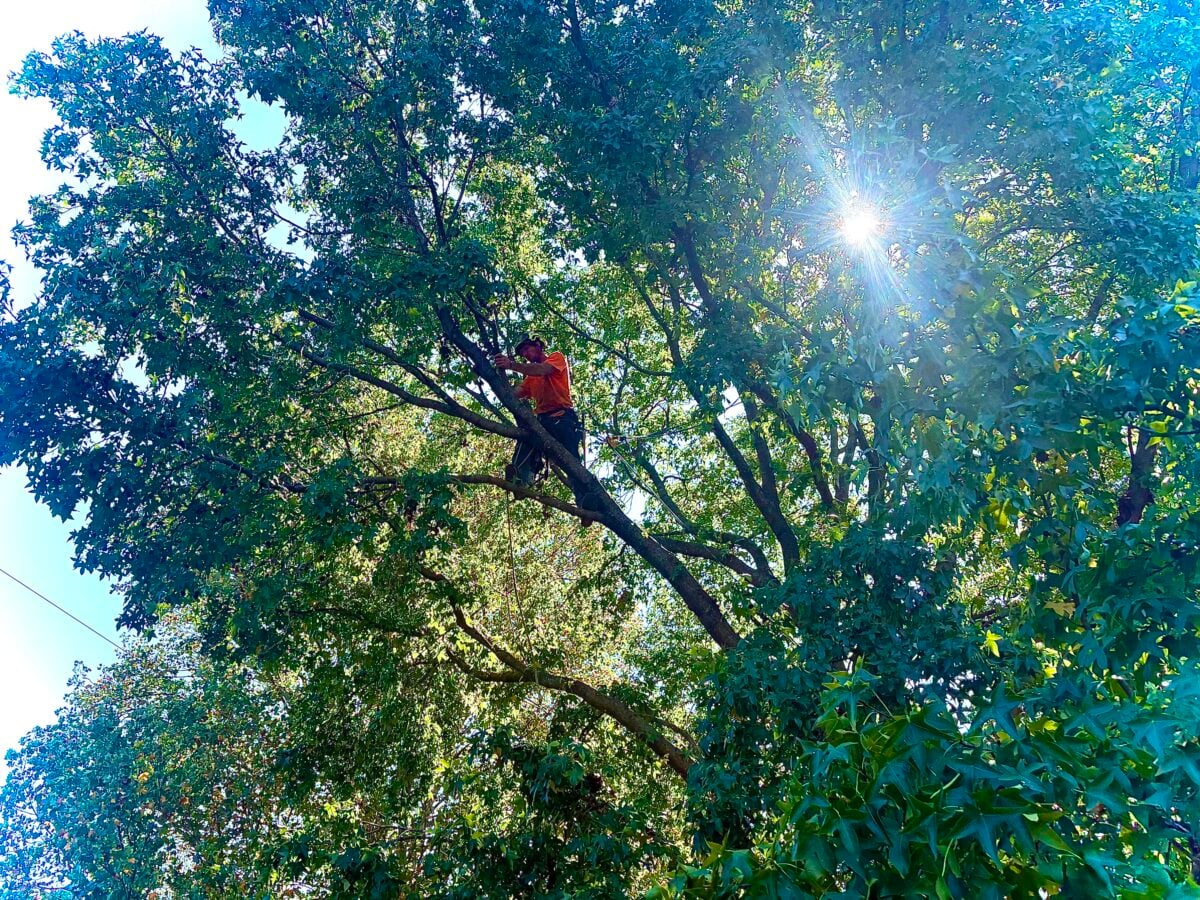
A tree can be trimmed every year or two to promote growth and retain its health — the earlier you start, the better, since trees often develop growth patterns on their own that can cause weaknesses later. How you trim a tree really matters to its success over time: improper trimming and storm-broken branches left untreated can result in the eventual death of the tree.
That's why pruning decisions on every job are based in the standards set by our ISA Certified Arborist and reinforced through crew training. We want to make sure that whoever is holding the saw that day is prepared to do a great job for you. Trufast has been trimming trees in the Springfield area since 2017, and can now share the confidence of having been rated 4.9 stars across 500+ Google reviews.
$1M general liability + $4M umbrella, plus commercial auto and workers’ compensation — coverage that matters most thirty feet up.
Local and owner-operated, with the same standards and training behind every crew we send.
On staff and setting the pruning standards that are reinforced by frequent training and quality assurance.
“They were very professional. They made sure we were both on the same page on how to trim the trees before starting the service. They checked with us as they were completing the service to make additional changes when needed. After completing the tree trimming, they cleaned up everything, including random leaves and ground them up before leaving our house.”
Tree trimming, answered.
How much does tree trimming cost in the Springfield area?
How often should a tree be trimmed?
What's the best time of year to trim trees?
Do you seal pruning cuts?
Is trimming really necessary, or is it just cosmetic?
Are your climbers insured?
What happens to the branches you cut down — do you chip them?
Does trimming technique or tree age make a difference?
If trimming isn't the only thing you need.
Stump Removal
Stump removal (or grinding) takes the stump and roots down 3–6 inches below grade so the yard is level and usable again.
See stump removalEmergency Removal
Storms and ice create situations where a tree needs to come down right away — call anytime, we typically respond by the next morning.
See emergency removalTree Removal
Full tree removal is more involved than trimming — large branches come down first, then the trunk is cut and lowered in sections.
See tree removalArborist Services
Not sure the tree needs to come down? Our ISA Certified Arborist can assess its health and risk first.
See arborist servicesReady for a free estimate?
No pressure into work that isn’t needed. We typically call back within 60 minutes during business hours.
*Some outer towns may have a trip fee, depending on our estimating schedule. If yours does, the office will tell you on the call, before anything is booked.